Leadership Articles
-
 Office Hours: Leadership Lessons with David Kelley
In this Office Hours episode of our Creative Confidence Series, David Kelley, founder of IDEO and the Stanford d.school, chats with IDEO U Dean Suzanne Gibbs Howard and answers questions from our community on design thinking, creativity, and leadership. The interview has been edited for length and clarity. Listen to this episode on our podcast, and check out their full conversation to hear more of David’s thoughts on the core abilities of the most successful design thinking practitioners.
-
 How Great Teams Leverage Tension as a Source for Innovation
In this episode of our Creative Confidence Series, New York Times bestselling author Daniel Coyle chats with IDEO Managing Director Coe Leta Stafford about his newest book, The Culture Code, three skills that the most successful teams have in common, and how high performing teams react to tension differently. He shares why these skills are important and tactical ways to implement them today, whether you’re leading a team or want to make a change from wherever you sit.
-
 3 Tips for Encouraging Curiosity at Work
There’s a reason why the saying “curiosity killed the cat” has stuck around. Not all cultures or workplaces welcome curiosity as a path toward innovation. Some see it as questioning orthodoxy or stirring up trouble. But asking questions to uncover new problems and drive your thinking is a critical step toward achieving innovation. So how do we bridge the gap between those two competing perspectives?
-
 This is How a Museum Uses Creativity & Collaboration to Reach 200M Annually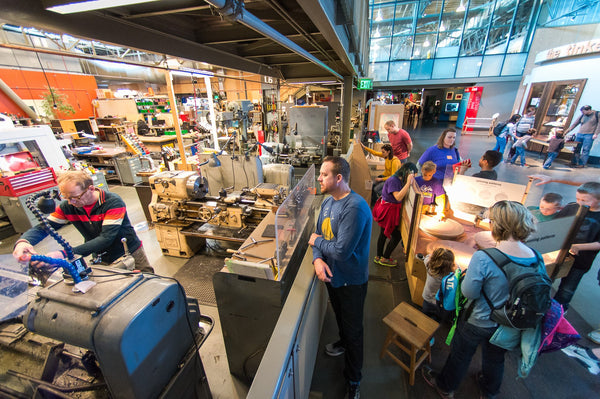
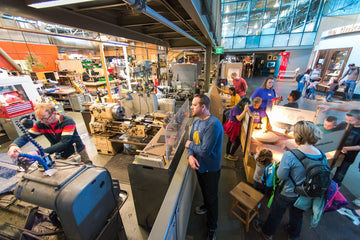
In this episode of our Creative Confidence Series, Chris Flink, executive director of the Exploratorium, former IDEO partner, and a founding faculty member of Stanford University’s d.school talks to IDEO U Dean Suzanne Gibbs Howard about the evolution of the museum over 50 years, how they’ve expanded their reach globally, and how they cultivate creativity with their visitors, the broader community, and within their own organization.
-
 David Kelley on the 8 Design Abilities of Creative Problem Solvers
In our most recent Creative Confidence Series chat, David Kelley, founder of IDEO and the Stanford d.school, and IDEO U Dean Suzanne Gibbs Howard sat down to discuss the core abilities of the most successful design thinking practitioners and personal stories and learnings from David’s friendships with several of today’s most innovative CEOs and leaders. Hear from more innovative leaders on the IDEO U podcast.
-
 2 Things You Can Do Right Now to Improve Your Leadership Style
 Great teams and organizations are built on the support of great leaders, and to become a great leader requires intense self-reflection and commitment to a growth mindset. Keith Yamashita, SYPartners Chairman and Founder, recently shared this insight and more tips for cultivating creative leadership
-
 4 Ways to Maintain Momentum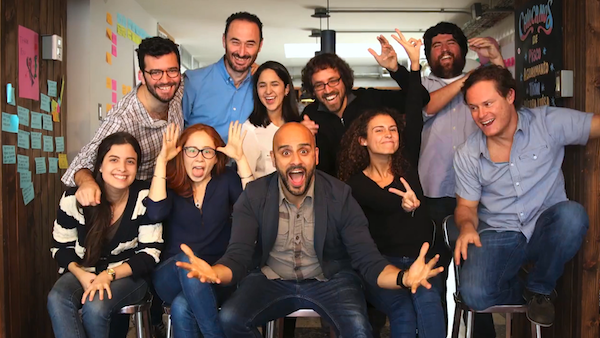
How do you move past challenges, even when constraints are tight and solutions are elusive? It’s all about supporting rather than managing, and showing grit, resilience, and optimism, even after several rounds of prototypes, or the realization it’s time to start asking new questions. Here are four ways to maintain momentum as you address a design challenge.
-
 4 Trends Shaping Creative Leadership in China
In our most recent Creative Confidence Series chat, Charles Hayes, Executive Managing Director of IDEO Asia, and IDEO U Dean Suzanne Gibbs Howard discussed creative leadership and a changing culture of innovation in China.
-
 The 3 Main Roadblocks to Good Ideas, and How to Overcome Them
We’ve all been there. Excited about a great idea and ready to run with it, but it gets squashed by the leadership team before it can ever see the light of day. So what do you do when the verdict on an innovative new concept is a no?
-
 How Shifting Your Mindset Can Ignite Transformation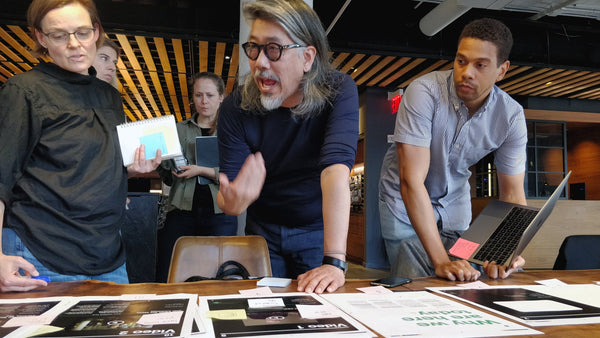
Keith Yamashita, SYPartners Chairman and Founder and instructor for our newest class From Superpowers to Great Teams, sat down with IDEO U Managing Director Coe Leta Stafford to discuss creative leadership and how great teams are built on a foundation of diversity, collaboration, trust, and self-awareness.
-
 Use This Quick Warm-up to Get into the Creative Headspace
Brendan Boyle, Founder of the IDEO Toy Lab and a contributing instructor in our Unlocking Creativity class, has a knack for helping others insert more creativity and playfulness into their work. He recommends that you start every meeting with a creative workout to elevate the energy in the room. Here’s a simple activity in imagination play that Brendan uses to get the team into a more creative headspace.
-
 When Are You at Your Best as a Leader?
Reflective self-awareness is the entry point to creative leadership. Being comfortable with not knowing the answers, learning from failure, and collaborating with others different from yourself are essential to creativity, and they all involve a healthy dose of self-awareness. Here are two actionable ways to put yourself in a reflective mode, and to help you discover the role you were meant to play, in your career and as a leader.


- Previous page
- Page 7 of 9
- Next page